Endourological Society Endourological Society
  • Contact
  • Login
  • Join
  • Contact
  • Login
  • Join
  • Journals
    • About the JournalsMembers receive print and online access to multiple journals including archives.
    • Journal of EndourologyLeading peer-reviewed journal focused on minimally invasive and robotic urology.
    • Journal of VideoUrologyOnline-only video journal publishing peer-reviewed surgical demonstrations of latest techniques.
    • Member AccessMember Access  
  • Events
    • WCETWCET Our World Congress brings together experts to share knowledge in endourology and technology.
    • UROVIVOUROVIVO Our World Congress brings together experts to share knowledge in endourology and technology.
  • Fellowships
    • Application InformationSociety facilitates clinical fellowships focused on advanced endourologic and robotic surgery.
    • Program RequirementsLearn qualifying criteria to offer fellowships at your institution.
    • Fellowship ProgramsSearch fellowships by region, type, and duration in our online database.
  • Education
    • Online
      • MasterclassNew online platform delivering high-quality content on concepts and techniques in endourology.
      • Online Training & PodcastView other education offerings: webinars, recordings, podcasts and more.
    • Scholarships
      • Summer ScholarshipsProvides medical students with summer research opportunities in urology and endourology.
      • Traveling ScholarshipsYoung urologists can receive travel grants for observerships at leading institutions.
  • About
    • Leadership
      • Mission & VisionLearn about the scope, purpose, and long-term aim of the Society.
      • OfficersView the volunteer leadership guiding our organization.
      • HistoryLearn how the society has changed and grown since its inception.
      • MorePast presidents, honorary members, bylaws, and more about the society.
    • Contribute
      • CommitteesDiscover how to get involved in volunteer committees that power our society.
      • DonateSupport the World Endo fund to help urologists globally.
    • Research
      • About TOWERResearch arm dedicated to improving research in kidney stones, BPH, and minimally invasive surgery.
  • Sub-Societies
    • Society of Urologic Robotic SurgeonsSociety of Urologic Robotic Surgeons SURS is a sub-society advancing robotic-assisted urologic surgery through education and research.
    • The Focal Therapy SocietyThe Focal Therapy Society Advancing minimally invasive, targeted cancer treatments that preserve healthy tissue.
    • Engineering and Urology SocietyEngineering and Urology Society Promotes new urological technology through collaboration between engineers and urologists.
  • Membership
    • Member BenefitsLearn how membership advances your career and improves patient outcomes.
    • Inclusive MembershipProgram for underprivileged countries, minorities, and young members.
    • LoginAccess MyEndo, digital journals, member directory and messaging system.
    • World Endo DonationSupport global access to Endourology by helping urologists from underserved regions attend the annual Congress.
    • Membership AwardOffers discounted membership to support young professionals and underrepresented urologists worldwide.
  • Journals
    • About the JournalsMembers receive print and online access to multiple journals including archives.
    • Journal of EndourologyLeading peer-reviewed journal focused on minimally invasive and robotic urology.
    • Journal of VideoUrologyOnline-only video journal publishing peer-reviewed surgical demonstrations of latest techniques.
    • Member AccessMember Access
  • Events
    • WCETWCET Our World Congress brings together experts to share knowledge in endourology and technology.
    • UROVIVOUROVIVO Our World Congress brings together experts to share knowledge in endourology and technology.
  • Fellowships
    • Application InformationSociety facilitates clinical fellowships focused on advanced endourologic and robotic surgery.
    • Program RequirementsLearn qualifying criteria to offer fellowships at your institution.
    • Fellowship ProgramsSearch fellowships by region, type, and duration in our online database.
  • Education
    • Online
      • MasterclassNew online platform delivering high-quality content on concepts and techniques in endourology.
      • Online Training & PodcastView other education offerings: webinars, recordings, podcasts and more.
    • Scholarships
      • Summer ScholarshipsProvides medical students with summer research opportunities in urology and endourology.
      • Traveling ScholarshipsYoung urologists can receive travel grants for observerships at leading institutions.
  • About
    • Leadership
      • Mission & VisionLearn about the scope, purpose, and long-term aim of the Society.
      • OfficersView the volunteer leadership guiding our organization.
      • HistoryLearn how the society has changed and grown since its inception.
      • MorePast presidents, honorary members, bylaws, and more about the society.
    • Contribute
      • CommitteesDiscover how to get involved in volunteer committees that power our society.
      • DonateSupport the World Endo fund to help urologists globally.
    • Research
      • About TOWERResearch arm dedicated to improving research in kidney stones, BPH, and minimally invasive surgery.
  • Sub-Societies
    • Society of Urologic Robotic SurgeonsSociety of Urologic Robotic Surgeons SURS is a sub-society advancing robotic-assisted urologic surgery through education and research.
    • The Focal Therapy SocietyThe Focal Therapy Society Advancing minimally invasive, targeted cancer treatments that preserve healthy tissue.
    • Engineering and Urology SocietyEngineering and Urology Society Promotes new urological technology through collaboration between engineers and urologists.
  • Membership
    • Member BenefitsLearn how membership advances your career and improves patient outcomes.
    • Inclusive MembershipProgram for underprivileged countries, minorities, and young members.
    • LoginAccess MyEndo, digital journals, member directory and messaging system.
    • World Endo DonationSupport global access to Endourology by helping urologists from underserved regions attend the annual Congress.
    • Membership AwardOffers discounted membership to support young professionals and underrepresented urologists worldwide.
  • Journals
    • About the JournalsMembers receive print and online access to multiple journals including archives.
    • Journal of EndourologyLeading peer-reviewed journal focused on minimally invasive and robotic urology.
    • Journal of VideoUrologyOnline-only video journal publishing peer-reviewed surgical demonstrations of latest techniques.
    • Member AccessMember Access  
  • Events
    • WCETWCET Our World Congress brings together experts to share knowledge in endourology and technology.
    • UROVIVOUROVIVO Our World Congress brings together experts to share knowledge in endourology and technology.
  • Fellowships
    • Application InformationSociety facilitates clinical fellowships focused on advanced endourologic and robotic surgery.
    • Program RequirementsLearn qualifying criteria to offer fellowships at your institution.
    • Fellowship ProgramsSearch fellowships by region, type, and duration in our online database.
  • Education
    • Online
      • MasterclassNew online platform delivering high-quality content on concepts and techniques in endourology.
      • Online Training & PodcastView other education offerings: webinars, recordings, podcasts and more.
    • Scholarships
      • Summer ScholarshipsProvides medical students with summer research opportunities in urology and endourology.
      • Traveling ScholarshipsYoung urologists can receive travel grants for observerships at leading institutions.
  • About
    • Leadership
      • Mission & VisionLearn about the scope, purpose, and long-term aim of the Society.
      • OfficersView the volunteer leadership guiding our organization.
      • HistoryLearn how the society has changed and grown since its inception.
      • MorePast presidents, honorary members, bylaws, and more about the society.
    • Contribute
      • CommitteesDiscover how to get involved in volunteer committees that power our society.
      • DonateSupport the World Endo fund to help urologists globally.
    • Research
      • About TOWERResearch arm dedicated to improving research in kidney stones, BPH, and minimally invasive surgery.
  • Sub-Societies
    • Society of Urologic Robotic SurgeonsSociety of Urologic Robotic Surgeons SURS is a sub-society advancing robotic-assisted urologic surgery through education and research.
    • The Focal Therapy SocietyThe Focal Therapy Society Advancing minimally invasive, targeted cancer treatments that preserve healthy tissue.
    • Engineering and Urology SocietyEngineering and Urology Society Promotes new urological technology through collaboration between engineers and urologists.
  • Membership
    • Member BenefitsLearn how membership advances your career and improves patient outcomes.
    • Inclusive MembershipProgram for underprivileged countries, minorities, and young members.
    • LoginAccess MyEndo, digital journals, member directory and messaging system.
    • World Endo DonationSupport global access to Endourology by helping urologists from underserved regions attend the annual Congress.
    • Membership AwardOffers discounted membership to support young professionals and underrepresented urologists worldwide.

Program Details

Hackensack University Medical Center Department of Urology Laparoscopic/Robotic Fellowship

Hackensack, NJ
Job Address: Hackensack University Medical Center Department of Urology 360 Essex Street Suite 403 Hackensack, NJ 07601
Contact Name: Program Director: Ravi Munver, M.D.
Type/Focus: Robotic Surgery & Minimally Invasive Urologic Oncology
Duration: 1 Year
Country: United States
Phone: (551) 996-8090
Fax: (551) 996-8221
Region: North America
Contact Email: This email address is being protected from spambots. You need JavaScript enabled to view it.

Hackensack University Medical Center

Introduction:

Hackensack University Medical Center is a teaching and research institution located in northern New Jersey that is affiliated with Hackensack Meridian School of Medicine. It is a tertiary referral center and the flagship hospital of the Hackensack Meridian Health Network, the largest, most comprehensive, and most integrated health system in the state, comprised of 17 hospitals. Hackensack University Medical Center is less than 10 miles from New York City and is the busiest provider of inpatient and outpatient services in New Jersey, as well as a premier medical center that serves New Jersey and the New York metropolitan area. Our physicians, many of whom are on the cutting-edge in their fields, have received their training at many of the nation's most prominent institutions. Hackensack University Medical Center is routinely listed as the top hospital in New Jersey in the U.S. News & World Report Best Hospital rankings since the rating system was introduced.

Department of Urology:

The Department of Urology has a renowned reputation for elevating the standard of health care not only in New Jersey, but worldwide. Our institution’s tagline “Life Years Ahead,” reflects our department’s commitment to pushing the boundaries to develop one of the nation’s most active and diversified centers for robotic and minimally invasive urologic surgery. Hackensack University Medical Center has an established reputation as a world-class institution and leader in robotic-assisted surgery. The medical center was one of the first robotic surgery training centers in the United States and became the 1st hospital in the world to acquire 2 da Vinci™ Surgical Systems in 2000. At present, the institution has 5 da Vinci Systems, which includes 4 da Vinci Xi Systems and 1 da Vinci SP (single port) System for clinical use. The medical center also has additional robotic systems for training and research. The operating rooms have state-of-the-art OR1 technology, which provides the ideal operating room layout for performing all types of minimally invasive surgical procedures. Each operating room has high-definition imaging systems and high-tech multimedia applications for audio and video recording and communication (telemedicine).

Hackensack University Medical Center is ranked the #1 Urology Department in New Jersey by U.S. News & World Report and is ranked among the top 50 urology departments in the nation. Our distinguished fellowship-trained urologic surgeons have pioneered, performed “firsts in the field,” and continue to develop of some of the specialty’s most innovative procedures, including oncologic, benign, and complex urinary reconstructive procedures.

Fellowship Faculty:

The fellow works primarily under the supervision of Dr. Munver, director of the fellowship program, but will also have ample opportunities to work with other faculty members during robotic, laparoscopic, and endourologic procedures. The fellow will benefit from being exposed to a variety of surgical techniques during the fellowship.

Ravi Munver, MD (Fellowship Director)

- Vice Chair of Urology

- Chief of Minimally Invasive and Robotic Urologic Surgery

- Fellowship: New York Presbyterian-Weill Cornell Medical Center

Michael Degen, MD

- Resident Robotic Training and Simulation

- Endourology and Stone Disease

- Fellowship: New York Medical College-Westchester Medical Center

Nitin Yerram, MD

- Co-Director of Urologic Oncology

- Director of Urologic Research

- Fellowship: National Cancer Institute-National Institutes of Health

Michael Stifelman, MD

- Chair of Urology

- Director of Robotic Surgery

- Co-Director of Urologic Oncology

- Fellowship: New York Presbyterian-Weill Cornell Medical Center

Clinical Training:

In 2004, Hackensack University Medical Center founded the first fellowship training program in New Jersey accredited by the Endourological Society. As one of the earliest established fellowships in the country, its outstanding graduates have become leaders at their respective institutions.

The Advanced Clinical Training Program is a 1-year robotic/laparoscopic program that provides highly specialized and comprehensive training with a strong emphasis on urologic oncology and reconstructive procedures. The focus of this program is to provide the trainee with an armamentarium of robotic and laparoscopic surgical skills through a training program that emphasizes hands-on involvement in operative cases. In addition, clinical research will complement the surgical experience.

The majority of the clinical training is in advanced robotic-assisted surgery in which the fellow will perform hundreds of surgical cases spanning routine as well as highly complex surgeries. The fellow is trained in a wide variety of procedures including:

Robotic-Assisted Surgery

  • Robotic-Assisted Radical Prostatectomy / Simple Prostatectomy
  • Robotic-Assisted Partial Nephrectomy / Radical Nephrectomy / Simple Nephrectomy
  • Robotic-Assisted Nephroureterectomy
  • Robotic-Assisted Donor Nephrectomy
  • Robotic-Assisted Radical Cystectomy / Cystoprostatectomy / Partial Cystectomy
  • Robotic-Assisted Intracorporeal Urinary Diversion
  • Robotic-Assisted Ureterectomy / Ureteral Reimplantation
  • Robotic-Assisted Adrenalectomy / Partial Adrenalectomy
  • Robotic-Assisted Pyeloplasty
  • Robotic-Assisted Ureteral Reconstruction
  • Robotic-Assisted Reconstructive Surgery

Laparoscopy

  • Laparoscopic Radical Nephrectomy
  • Laparoscopic Renal Cyst Ablation
  • Laparoscopic Donor Nephrectomy
  • Laparoscopic Renal Biopsy
  • Laparoscopic Orchiectomy
  • Laparoscopic Enterolysis
  • Miscellaneous Procedures

In addition, fellows can supplement their training by performing endourologic and other minimally invasive procedures, including:

Endourology / Minimally Invasive Procedures

  • Percutaneous Nephrolithotomy / Percutaneous Access
  • Ureteroscopy
  • Prostate Cryoablation
  • MRI-Ultrasound Fusion Prostate Biopsy
  • Transperineal Prostate Biopsy
  • Laser Therapies, Aquablation for BPH
  • High Intensity Focused Ultrasound

The fellow actively participates in all aspects of clinical care such as diagnosing and evaluating patients, performing surgery, and postoperative care. Fellows receive a staff appointment and attending privileges at Hackensack University Medical Center. As such, an integral part of the training involves teaching and supervising urology residents and medical students, participating in weekly grand rounds, visiting professor conferences, and teaching postgraduate minimally invasive training courses.

The subspecialty training offered in this fellowship provides an exceptional experience that will prepare the graduate to be a future leader in minimally invasive urologic surgery. Fellows that have specific areas of interest are encouraged to personalize their training in order to enhance their fellowship. In addition to the comprehensive curriculum, the autonomy and hands-on surgical experience will provide the necessary skills to pursue a successful career in academics or specialized community practice settings.

Research:

A portion of the fellow’s time will include research. One of our department’s clinical research efforts involves developing novel surgical techniques and evaluating new technologies. An additional research focus is in the area of outcomes research using validated mechanisms and evidence-based medicine. We currently have robust prospective and retrospective databases with thousands of patients, as well as statistician support for analyses. Research endeavors will enrich the experience of the fellow and provide an opportunity for scholarly pursuit.

The David and Alice Jurist Institute for Research houses and consolidates the medical center’s ongoing research activities into one location. The top floor of this modern facility houses the state-of-the-art minimally-invasive and robotic surgery training and research center containing multiple da Vinci Surgical Systems. This center is fully equipped for animate and inanimate training and the fellow will have access for conducting research studies.

In addition, Hackensack University Medical Center partners with several local institutions and is involved in ongoing research projects. The fellow can be involved in current projects as well as new endeavors with investigators at the Hackensack Meridian Health Center for Discovery and Innovation and Hackensack Meridian School of Medicine.

The fellow will publish and present the results of their research work at national and international meetings.


Why Hackensack University Medical Center?


A unique aspect of the fellowship program at Hackensack University Medical Center is the breadth and depth of surgical training. In addition to the high volume of surgeries, the fellow with benefit from a tremendous hands-on operative experience. Graduating fellows will be comfortable performing robotic surgery for all types of urologic cancer, including kidney, prostate, bladder, ureteral, and adrenal cancer, as well as benign pathology, and reconstructive procedures.


The Department of Urology is at the forefront of technology and provides the most innovative and integrated patient care. Honors received by our acclaimed faculty include listing in Castle Connolly America’s Top Doctors, Castle Connolly New York Metro Area Top Doctors, Best Doctors in America, New York Magazine Best Doctors, New Jersey’s Top Doctors, America’s Top Urologists, Top Doctors for Cancer, and numerous others.

In summary, the Hackensack University Medical Center fellowship program has an impeccable track record of training a top applicant each year. Our expertise, clinical volume, research endeavors, and innovative approach to new technology, has established the Department of Urology as a national and international leader. The institution offers its complete support in terms of administrative and clinical services, and research facilities, for the training of our fellow.


Previous, Current, and Future Fellows:

Fellow

Academic Year

Residency Program

Ilya Volfson, M.D.

2005-2006

Rutgers-New Jersey Medical School, NJ

Stuart Kesler, M.D.

2006-2007

Robert Wood Johnson Medical School, NJ

Grant Disick, M.D.

2007-2008

Mount Sinai School of Medicine, NY

Jayant Uberoi, M.D.

2008-2009

Boston University School of Medicine, MA

Jennifer Yates, M.D.

2009-2011

Brown University School of Medicine, RI

Samay Jain, M.D.

2011-2012

Washington University School of Medicine, MO

Leonard Glickman, M.D.

2014-2015

Lenox Hill Medical Center, NY

Ganesh Sivarajan, M.D.

2015-2016

New York University School of Medicine, NY

Gerald Portman, M.D.

2016-2017

Yale University School of Medicine, CT

John Stites, M.D.

2017-2018

Maimonides Medical Center, NY

Johnson Tsui, M.D.

2018-2019

Lenox Hill Medical Center, NY

Bethany Desroches, M.D.

2019-2020

Baylor College of Medicine, TX

Nermarie Velazquez, M.D.

2020-2021

New York University School of Medicine, NY

Jennifer Kuo, M.D.

2021-2022

University of Florida College of Medicine, FL

Candidates: Applicants must complete an accredited urology residency program and be eligible for an unrestricted medical license to practice medicine in the state of New Jersey.

Application Process: The fellowship participates in the Endourological Society fellowship match program. Details and application forms are available at http://www.endourology.org/fellowship/.

After completing the application, please forward either a paper copy or electronic copy of the application, curriculum vitae, and letters of recommendation to the following address:

Ravi Munver, M.D.

Hackensack University Medical Center

Department of Urology

360 Essex Street, Suite 403

Hackensack, NJ 07601

Electronic applications may be emailed to: This email address is being protected from spambots. You need JavaScript enabled to view it.

Washington University School of Medicine - Department of Urologic Surgery

St. Louis, MO
Job Address: Washington University School of Medicine, Department of Urologic Surgery Urologic Surgery Center 4921 Parkview Place Suite C Floor 11 St. Louis, MO 63110 Department of Urologic Surgery Urologic Surgery Center 4921 Parkview Place Suite C Floor 11 St. Louis, MO 63110
Contact Name: Robert Sherburne Figenshau, M.D.
Website: Visit Website
Type/Focus: Combined
Duration: 1 or 2 Year
Country: United States
Phone: 314-454-2235
Fax: 314-367-5016
Region: North America
Contact Email: This email address is being protected from spambots. You need JavaScript enabled to view it.

Job Information

Overview: Washington University offers fellowships in laparoscopic/robotic urology and endourology/stone disease. Salary support for two fellows per year is generously funded by Midwest Stone Institute. Dr. Ralph V. Clayman started the fellowship in 1984. The fellowship has a long tradition of training excellent urologists. Many of today’s leaders in urology are graduates of the fellowship at Washington University.

The current fellowship can be tailored to fit the fellow’s desired experience and post-fellowship career goals. The fellow can choose to do:

  • Two-year combined fellowship
  • One-year laparoscopic / robotic
  • One-year endourology / stone disease
  • One-year combined fellowship

Current Fellowship Faculty:

Clinical Fellowship Director

Robert Sherburne Figenshau, MD

Taylor Family and Ralph V. Clayman, MD Chair in Minimally Invasive Urology

Professor of Surgery, Division of Urology

Washington University School of Medicine

This email address is being protected from spambots. You need JavaScript enabled to view it.


Laparoscopic/Robotic Fellowship Faculty

Sam Bhayani, MD

Kefu Du, MD

Jason Farrow, MD

Robert Sherburne Figenshau, MD

Zeynep Gul, MD

Michael Johnson, MD

Paul Kogan, MD

Lewis Thomas, MD

Woody Smelser, MD

Endourology/Stone Disease Fellowship Faculty

Kefu Du, MD

Jason Farrow, MD

Clinical Responsibilities:

The fellow functions as a junior faculty member (Clinical Instructor) with clinical, research, teaching and administrative responsibilities. He/she participates in the attending on-call pool. The fellowship is heavily weighted toward experience in the operating room in advanced robotic, laparoscopic, and endourological procedures. The main clinical sites include Barnes-Jewish Hospital (Siteman Cancer Center), Barnes-Jewish West County Hospital, and Christian North East Hospital. All aforementioned sites have daVinci robots including 8 Xi systems and 1 SP system with dual consoles.

Additional sites with no overlapping residents include Missouri Baptist Hospital.

The fellows have attending privileges. In some cases, the fellows are in a training situation with a faculty mentor, and in other situations, the fellows supervise the residents during operative cases. Fellows obtain independent robotic privileges early in their fellowship. In addition, fellows are encouraged to become proficient in obtaining their own percutaneous renal access including experience with renal ultrasonography. A unique experiences include a large volume of retroperitoneal robotic partial nephrectomies as well as retroperitoneal approach for pyeloplasties and adrenalectomies.

The combined case numbers (excluding the VA) are shown below for August 1st 2021 to August 1st 2022.

PCNL

187

Laparoscopic  / Robotic Nephrectomy          

139

Laparoscopic  / Robotic Prostatectomy         

425

Robotic Partial Nephrectomy (transperitoneal + retroperitoneal)

199

Robotic Nephroureterectomy

62

Robotic Ureterectomy / Reimplant           

20

Robotic Bladder Neck Reconstruction

5

Robotic Pyeloplasty          

52

Research: Fellows will have access to Washington University Urology Data Repository (UDR) containing databases related to kidney cancer, prostate cancer and stone disease. The UDR has dedicated research staff that includes a full-time statistician. There is also a fully equipped translational minimally invasive research laboratory that includes animal facilities. The minimally invasive research laboratory also has a daVinci robot for training and educational activities. We encourage the fellows to get involved in multidisciplinary research projects. The fellow is expected to publish and present his/her work at national and international meetings.

Education: Our advanced laparoscopic/robotic dedicated training facility (WUMIS lab) is for training residents, medical students, and post-graduate students. The fellow has an opportunity to be involved with resident and medical student education and evaluation of minimally invasive techniques including 3-D printing and surgical simulation/surgical rehearsal.

All applicants should apply through the Endourology Society Fellowship Match. All fellows who complete the fellowship successfully will receive recognition from the Endourology Society.

Mayo Clinic - Phoenix Arizona

Phoenix, AZ
Job Address: Mayo Clinic Phoenix, AZ
Contact Name: Karen Stern, MD, Heather Wilson
Type/Focus: Combined
Duration: 2 Years
Country: United States
Phone: 480-342-2839
Fax: 480-342-2782
Region: North America
Contact Email: This email address is being protected from spambots. You need JavaScript enabled to view it., This email address is being protected from spambots. You need JavaScript enabled to view it.
Start Date: 2013-06-28

Job Information:

The Endourology Fellowship at Mayo Clinic in Arizona is a two-year combined Endourology/Stone-Lap Robotic Fellowship. Fellows will work closely with various staff members to gain research and clinical skills in stone disease, BPH, ureteral stricture disease, and urologic malignancy.

Clinical Objectives:

The goal of the Endourology Fellowship is to give the fellows comprehensive training in minimally invasive urologic surgery at a high-volume tertiary care center. Cutting edge treatments include HIFU, HoLEP, ultrasound-guided PCNL, supine PCNL, mini-PCNL, laparoscopic donor nephrectomies, and single port robotics. Fellows will rotate with several surgeons through the Mayo Clinic mentorship model and gain competence in a variety of surgical procedures.  Fellows will also spend time in clinic, becoming proficient in the workup and management of a variety of urologic disorders and will work with Nephrology and Dietary in the Multidisciplinary Stone Clinic. Fellows will act as junior faculty and have direct patient care responsibilities. They will have limited call responsibilities only during the first year of fellowship.

Fellowship Staff:

  • Karen Stern MD (Fellowship Director) – ultrasound-guided PCNL, supine-PCNL, mini-PCNL, ureteroscopy, endopyelotomy, Rezum, UroLift
  • Mitchell Humphreys MD (Fellowship Director) – HoLEP, HIFU, robotic pyeloplasty, robotic partial nephrectomy, robotic prostatectomy, PCNL, Rezum
  • Scott Cheney MD – HoLEP, Rezum, robotic partial nephrectomy, robotic prostatectomy, robotic cystectomy, robotic pyeloplasty, robotic transplant nephrectomy, robotic transplant ureteral reimplant
  • Paul Andrews MD – Laparoscopic polycystic kidney native nephrectomy, laparoscopic donor nephrectomy, robotic prostatectomy, cystectomy, robotic partial nephrectomy

Research Objectives:

The fellow is expected to participate in research projects including clinical trials and animal studies. Full research facilities are available, including basic science bench space and a surgical innovation laboratory. There are fully accredited animal facilities as well with access to the latest laparoscopic, robotic, and laser equipment used in the operating room. There are many potential collaborators to work with including investigators from TGEN and Arizona State University. The Endourology staff at Mayo Arizona are involved in several multiinstitutional investigations, which the fellow will participate in. The fellow will have dedicated research time throughout the two-year Fellowship. He/she will gain experience writing IRB protocols, implementing protocols, writing, and submitting manuscripts and other publications. The fellow will be afforded the opportunity to investigate and pursue their own research initiatives and in most cases the Fellowship may be structured to allow the fellow to emphasize their individual interests. The program will provide stipends to allow travel to present at national and international Endourology conferences.

Education Objectives:

Fellows will work closely with the residents and medical students during educational events and serve as a mentor for them. The program will provide stipends to allow travel and participation at the major endourological meetings throughout the year. 

Clinical Volume:

Mayo Clinic has a robust surgical volume with over 300 HoLEPs annually, 500 robotic procedures and over 700 stone procedures each year.  

Candidates:

Applicants must be eligible for an unrestricted medical license in Arizona and must have completed residency/fellowship in the United States or Canada.


 Application process: The fellowship participates in the Endourological Society fellowship match program. Details and application forms are available at: http://www.endourology.org/fellowship/

University of California Irvine

Orange, CA
Job Address: University of California Irvine Department of Urology, 3800 Chapman Avenue - Suite 7200, Orange, CA 92868
Contact Name: Ralph V. Clayman, M.D., Jaime Landman, MD
Website: Visit Website
Type/Focus: Combined
Duration: 2 Years
Country: United States
Phone: 714-456-6782
Fax: 714-456-5062
Region: North America
Contact Email: This email address is being protected from spambots. You need JavaScript enabled to view it., This email address is being protected from spambots. You need JavaScript enabled to view it.

The University of California, Irvine Fellowship in Endourology: A Two-Year Training Program (robotics, laparoscopy, percutaneous surgery, ureteroscopy, HoLEP)

Basic and Translational Science: protocol design, developing IRB and IACUC submissions

Grant preparation

Manuscript writing and presentation skills

Innovations in Education

Leadership Training

Creative Thinking and Methods of Innovation

Co-Directors:

Ralph V. Clayman, MD                    Jaime Landman, MD

Distinguished Professor                 Professor of Urology and Radiology

Dept. of Urology                               Chair, Department of Urology

Dean (emeritus)

Faculty:

Akhil Das, MD

Professor of Urology

Roshan M. Patel, MD

Associate Professor of Urology

Director, Kidney Stone Center

Pengbo Jiang, MD

Assistant Professor of Urology

Sohrab Ali, MD

Assistant Professor of Urology

Overview

The Endourology Fellowship at the University of California, Irvine is an Endourology Society approved training program specifically designed to train future academic leaders in all aspects of minimally invasive and noninvasive urology: robotic, laparoscopic, ureteroscopic, percutaneous, and HoLEP. The directors of this program were responsible for creating the first Endourology fellowship in 1984.  Graduates of the program include some of the most well-known and respected endourologists in the country1, among whom seven have become Chairs of Urology*. While many endourology fellowship programs have gone to a one-year experience, we have maintained a 2-year program as it is our firm belief that academic urology is becoming, more, rather than less complicated. As such the skill set provided in the UCI Endourology fellowship includes a firm grounding in education and leadership as well as extensive research and clinical training which equips the fellow to pursue an excellent career at a major university.

Faculty

The UC Irvine Endourology Fellowship is unique in the depth and breadth of the dedicated faculty. The training program is directed by Dr. Ralph Clayman and Dr. Jaime Landman. In addition, the fellow works closely with Dr. Pengbo Jiang, Dr. Roshan Patel and Dr. Sohrab Ali who are fellowship trained in minimally invasive urology (ultrasound and fluoroscopic guided PCNL, single and multi-port upper and lower urinary tract robotics, and laparoscopy). In addition, the fellow works closely with Dr. Akhil Das who was one of the first urologists in the United States to perform holmium laser enucleation of the prostate (HoLEP). The laboratory also includes Dr. Xiaolin Zi, PhD, and Dr. Michael Wu, PhD who run an NIH and Department of Defense supported basic science laboratory through the Department of Urology.

Program Description

The two-year fellowship is divided such that the first year is 70% laboratory based and 30% clinical while the second year is 30% laboratory based and 70% clinical. As a clinical instructor the fellow is part of a one in six-week faculty call rotation during both years.

Year 1: Laboratory/teaching (70%) and Clinical (30%)

In the laboratory, the first-year fellow is considered a team leader for all laboratory and clinical research and assists in organizing the work of the undergraduate students, medical students, as well as international visiting scholars.  Experience with submitting IRB and IACUC protocols is also obtained during this year along with peer-review grant writing capabilities.

The endourology laboratory is well-established and includes both basic and translational science opportunities.  Urology staff dedicated to the minimally invasive urology team includes a full-time research coordinator, a full-time laboratory director, and the services of a statistician.  UCI is a highly collaborative campus and the endourology laboratories have ongoing projects with the departments of interventional radiology and nephrology as well as with the Beckman Laser Institute, the School of Engineering and with innovators at the UC Irvine California Institute for Telecommunication and Information Technology (Cal IT2). Intellectual property and patent law support for medical device development is also provided by UCI Applied Innovation. Opportunities are available for supplementary formal training in medical innovation are available through UCI Applied Innovation.

The laboratory is comprised of four distinct training facilities: a vivarium with 6 surgical stations, a non-survival surgical suite, a training center that contains a da Vinci Si robot and 6 laparoscopic trainers, and a fresh tissue cadaver laboratory with 4 operative stations. 

At any given time, there are upwards of 20 clinical trials, 20 laboratory studies and 5 educational projects.  Among our current projects are: immersive/interactive virtual reality surgical simulation for partial nephrectomy, development of novel minimally invasive devices (e.g. a force sensor for safe passage of ureteral access sheaths), detailed mapping of the nerves of the urinary tract, advances in ablation technologies, pharmacological manipulation of the ureter, bladder prosthetics, novel laser technologies, and development of a novel, disposable flexible aspiration ureteroscope. 

Each week, there is a laboratory meeting held by Drs. Clayman and Landman on Thursday from 7:00–8:30AM focused on the various laboratory projects. There are also scheduled biweekly one-on-one sessions with Dr. Clayman to specifically review the fellow’s progress.

Research training is focused on creative and dynamic innovation, study design, execution, and proper presentation.  In addition, the administrative aspect of running an effective endourology laboratory is an important part of the training of the fellow.   In sum, the laboratory experience is designed to provide the fellow with the knowledge and skills necessary to develop their own research projects and establish their own university-based laboratory.

During this year, the fellow works with Dr. Ralph Clayman gaining a comprehensive understanding of metabolic stone evaluation in the office and developing expert skills in ureteroscopy and percutaneous nephrolithotomy (especially nephrostomy tract development).

Year 2: Clinical (70%) and Laboratory/teaching (30%)

In year two, the majority of time is spent mastering all clinical aspects of endourological skills.  The fellow works at UC Irvine Douglas Hospital, Irvine Medical Campus, as well as the Long Beach Veterans Administration Hospital.  The fellow has her/his own set of office hours for one half day per week and is able to generate his/her own cases as well as be very involved with the cases of the Endourology and oncology attendings.

During this year the fellow works extensively with Dr. Landman learning laparoscopy, robotics, ureteroscopy, and percutaneous nephrolithotomy.  The fellow also works closely with Drs. Roshan Patel, Sohrab Ali, and Pengbo Jiang learning ultrasound guided percutaneous nephrolithotomy, ureteroscopy (including aspiration endoscopy), single-port and multi-port robotic surgery (prostatectomy, partial nephrectomy, radical nephrectomy, pyeloplasty etc.).  Robotic surgery is strongly emphasized in the UC Irvine minimally invasive urology program with over 200 cases annually; there are multiple dedicated clinical robotic da Vinci Xi systems including a DV5 and single-port robotic system. The fellow will also work with Dr. Akhil Das, who performs over 250 HoLEP procedures annually. 

During this year, the fellow will continue to prepare manuscripts regarding the basic/animal/translational/clinical research completed during the initial year of the program and will continue to attend the weekly Thursday laboratory meeting from 7-8:30AM.

Also, biweekly one-on-one meetings continue with Dr. Clayman with regard to manuscript preparation, research progress, and leadership topics.  During this second year there is a major emphasis on the fellow’s future job plans.  Drs. Clayman and Landman work with the fellow to insure the fellow obtains a suitable position at an academic institution. 

Additional Aspects

During both years, great focus is placed on the development of presentation skills so that the fellow will become an effective communicator and speaker.  Slide creation, poise at the podium, and timeliness are stressed; indeed, ALL presentations are carefully reviewed and rehearsed with Drs. Clayman and Landman. 

Principal Accountabilities

Research:

Upon the initiation of the training program the fellow is granted full attending privileges and is given the academic title of Clinical Instructor. Significant time (70%) during this first year is spent doing translational and clinical research in minimally invasive urology. Each fellow “inherits” a series of ongoing projects. Typically, one major project and several minor projects are in progress.  It is typical for the fellow to be primary author or co-author on between 5 and 10 peer reviewed publications annually.

Each member of the laboratory is a lead on a project; all the other members of the laboratory comprise the team whose job it is to help the project leader be successful.  In this manner, all of the people in the laboratory are interconnected and attuned to the collective success of the group which translates into the success of each individual in the laboratory.  The fellow participates as a major proponent/supporter of this culture of collaboration.

Clinical Activities:

The major focus (70%) during the second year is the clinical care of minimally invasive surgery patients at UC Irvine Medical Center with additional responsibilities at the Long Beach VA as well as Irvine Medical Campus. The fellow has active involvement in a wide range of laparoscopic, robotic, ureteroscopic, percutaneous, and HoLEP procedures. The fellow will also have his/her own set of office hours one half day per week at the UCI urology patient care center during both years of the fellowship. Historically, the fellow has been able to generate a significant number of minimally invasive urology cases through his/her own office practice; faculty discussion/support are available as requested. Later in the year, it is expected that the fellow will be able to perform the cases generated from his/her own office practice independently while also training residents in these endourological procedures. The fellow will be on the faculty call rotation, typically 1 in 6 weeks.

Academic Meetings:

It is anticipated that the first-year fellow will attend the AUA annual meeting and that the second-year fellow will attend both the AUA annual meeting and the World Congress of Endourology in order to present their accepted abstracts.

Endourology Society Requirements:

The fellow must fulfill all of the responsibilities of the Endourological Society fellowship including, but not limited to, preparation of a clinical case log and mandatory preparation of a manuscript for submission to the Endourology Society essay contest. The submitted manuscript is reviewed by the editorial board of the Journal of Endourology and must be assessed as suitable for review for possible publication in the Journal of Endourology in order for the fellow to receive an official diploma from the Endourology Society.  Graduation from the UC Irvine Endourology Fellowship program is contingent on obtaining Endourological Society approval.

Credentials:

Applicants must be board eligible or diplomats of the American Board of Urology or have recently passed the FLEX exam with application made for Urology Board eligibility.  All fellows must obtain a valid California medical license prior to beginning the fellowship.

Administrative Support:

Administrative support is available to the fellow via Dr. Landman’s and Dr. Clayman’s administrative assistant and from the department personnel analyst.

Physical Demands:

Must be able to assist in patient handling during emergencies and fulfill all of the previously stipulated duties.

Vacation and Educational Leave Policy:

The fellow is required to notify Dr. Landman, in writing, for any period of absence whether due to vacation or educational leave. This is essential to insure the smooth operation of the UC Irvine minimally invasive urology service. The fellow should plan to have all of his/her responsibilities covered (e.g. clinic, call schedule, laboratory meeting presentation, OR, and laboratory responsibilities). Educational leave shall be granted and not be counted as vacation if the fellow is either presenting the results of research or if he/she is undergoing clinical training as part of an education program. All other time away (i.e. job interviews, etc.) will be counted in the three weeks that are available for personal vacation.

All reasonable expenses for the World Congress of Endourology during the clinical training program year and for the annual AUA meeting will be paid by the Department of Urology, assuming the fellow has abstracts accepted for presentation.

Salary:

The fellows are paid through UC Irvine according to UC policies and procedures. The annual training program salary is $78,900 per year. All fellows are employees of University of California, Irvine with benefits provided through UC Irvine.

Interested Parties Should Contact:

Ralph V. Clayman, MD                                           Jaime Landman, MD

Distinguished Professor / Dean (emeritus)             Professor and Chair of Urology

Department of Urology                                            Department of Urology

Office: 714 456 6567                                               Office: 714 456 3330

Email: This email address is being protected from spambots. You need JavaScript enabled to view it.                                      Email: This email address is being protected from spambots. You need JavaScript enabled to view it.

Cell: 949 677 5797

 1 (Howard Winfield, Peter Bub, Elspeth McDougall, John Denstedt*, Shimon Meretyk*, David Albala, Paramjit Chandhoke, Kevin Anderson, Peggy Pearle, Steve Nakada*, Stuart Wolf*, David Hoenig, Arieh Shalhav*, Matt Dunn, Jaime Landman*, Jamil Rehman, David Lee, Issac Kim, James Borin, Leslie Deane, Geoff Box, Michael Louie, Phil Mucksavage, Sean Collins*, Zhamshid Okhunov, Kara Babaian, Kam Kaler, Roshan M. Patel, Shlomi Tapiero, Pengbo Jiang, Sohrab Ali, Zachary Tano)

University of Florida (UF) Urology Endourology/Minimally Invasive Surgery Fellowship

Gainesville, FL
Job Address: 1600 SW Archer Road/Box 100247 Gainesville, FL 32610-0247
Contact Name: Vincent G. Bird, M.D.
Type/Focus: Combined
Duration: 1 Year
Salary: PGY6 level for the University of Florida.
Country: United States
Phone: 352-265-9052
Region: North America
Contact Email: This email address is being protected from spambots. You need JavaScript enabled to view it.

Fellowship Program Video:

Drs. Benidir, Bird, Canales, DiBianco, Joseph, Su, and Terry share what makes UF Urology Fellowship program special:

Link to UF Urology Fellowship Video

Program Co-Directors(click hyperlink for individual faculty department video introduction):

Tarik Benidir, MD, MSc, FRCSC 

Tarik Benidir, MD, MSc, FRCSC 


Residency: University of Toronto
Fellowship: Glickman Urological and Kidney Institute, Cleveland Clinic

Dr. Benidir is an Assistant Professor of Urology and the Director of the Prostate Cancer Advisory Council of Florida. His surgical practice is based out of Shands Hospital as well as the Florida Surgical Center. At Shands Hospital, Dr. Benidir performs robotic prostate, kidney, upper tract and bladder oncologic surgeries. This includes robotic urinary diversions for bladder cancer patients. At the Florida Surgical Center, Dr. Benidir performs MRI/3D US fusion transperineal prostate biopsies and has a robust focal therapy program including high-intensity focused ultrasound (HIFU), TULSA and Irreversible electroporation (Nanoknife). From a research standpoint, Dr. Benidir is involved in several clinical trials in bladder and prostate cancer at our NCI designated Cancer Center here at UF and is the lead investigator on a reproductive organ sparing Radical Cystectomy trial. He is interested in prostate imaging, theranostics, and biomarker research for prostate cancer and focal therapy management.


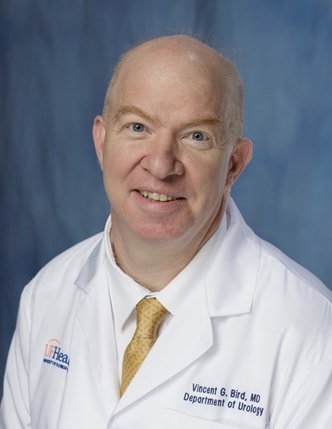
vincent g bird

Vincent G. Bird, M.D.


Residency: University of Miami
Fellowship: University of Iowa

Dr. Bird is Professor of Urology, Director of the Endourology, Chief of the Division of Minimally Invasive Surgery, and Director of the Urology-Nephrology Multidisciplinary Stone Clinic. Dr. Bird is strongly committed to the UF endourology fellowship program, in particular, with regards to the provision of a structured training program of progressively increasing responsibilities in both endourological stone surgery and renal laparoscopy. He also oversees the fellow’s metabolic evaluation of stone disease in the clinic. He provides mentorship for clinical research and manages a number of clinical databases that are part of an active clinical research program.


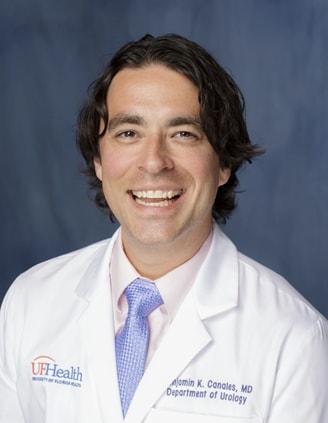
benjamin k canales

Benjamin K. Canales, M.D., MPH


Residency: University of Minnesota
Fellowship: University of Minnesota

Dr. Canales is Professor of Urology and Director of Research within the department. His practice is based at the Malcom Randall Department of Veterans Affairs Medical Center. Dr. Canales is strongly committed to the UF endourology fellowship program, in particular, with regards to the provision of a structured training program of progressively increasing responsibilities in both endourological stone surgery and renal laparoscopy. He also maintains a basic science laboratory and conducts basic science research relating to the metabolic origins of urinary lithiasis.


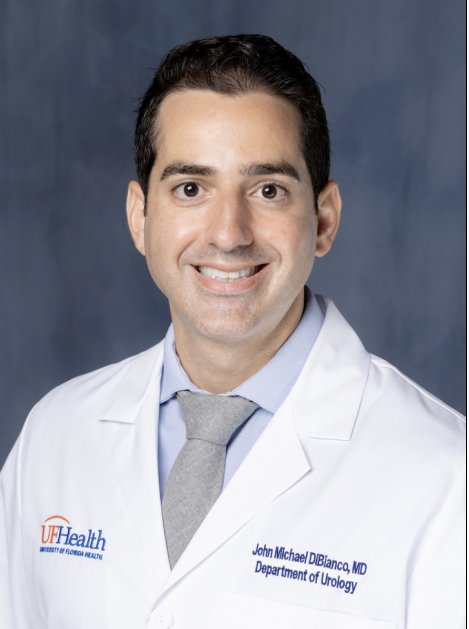
John M. DiBianco, M.D.

John M. DiBianco, M.D.

Residency: George Washington University
Fellowship: University of Michigan

Dr. DiBianco is an Assistant Professor of Urology. He completed his Endourology fellowship at the University of Michigan. Dr. DiBianco manages a busy practice related to his clinical interests include minimally invasive surgery and specifically the management of kidney stone disease and symptomatic prostate enlargement. His research focus includes quality improvement, prostate cancer diagnosis, miniaturized PCNL and laser enucleation of the prostate, specifically HOLEP. He is deeply committed to education of the residents and fellows alike.


Jason P. Joseph, MD

Jason P. Joseph, MD


Residency: Mayo Clinic – Rochester
Fellowship: University of Florida

Dr. Joseph is an Assistant Professor of Urology and Director of MIS Education. He completed his Urology residency at Mayo Clinic in Rochester, Minnesota, and fellowship in MIS and Endourology at the University of Florida. Dr. Joseph’s clinical focus is in robot-assisted surgery for both urologic cancers (prostate cancer, kidney cancer, upper tract urothelial carcinoma), as well as benign urologic conditions (upper tract reconstruction, robot-assisted simple prostatectomy). His research interests are in machine learning and imaging of prostate cancer, as well as strategies for advancing surgical education.


li ming su


Li-Ming Su, M.D., FRCS(Glasg)


Residency: New York Presbyterian – Weill Cornell Medical College
Fellowship: James Buchanan Brady Urological Institute, Johns Hopkins Hospital

Dr. Su is Professor and Chairman and is strongly committed to the UF endourology fellowship program, in particular, with regards to the provision of a structured training program of progressively increasing responsibilities in robotics and minimal invasive surgery. He has a central role for the robotic assisted laparoscopic experience, with regards to prostate and renal surgery and also provides mentorship for clinical research.


russel s terry

Russell S. Terry, M.D.

Residency: University of Florida
Fellowship: Duke University

Dr. Terry is Assistant Professor of Urology. He completed his Urology residency training at the University of Florida and Endourology Fellowship Training at Duke University Medical Center. He manages a busy stone practice at UF which includes both the surgical and metabolic management of complex kidney stone disease. He also maintains a practice at the Malcom Randall Department of Veterans Affairs Medical Center which is primarily focused on prostate cancer. His research interests include artificial intelligence applications in urology, medical imaging radiomics, laser lithotripsy, metabolic stone disease, and the development and testing of novel medical devices.


Fellowship Program Description

The University of Florida (UF) Urology Combined Endourology & Minimally Invasive Surgery Fellowship is structured to provide a comprehensive and balanced one-year experience in advanced clinical training and research. During the year, trainees will spend time on clinical rotations and will be directly involved in the management of patients with various urologic diseases and will be exposed to a broad spectrum of endourologic and minimally invasive surgical procedures including:

  • Endourology
    • Advanced semirigid and flexible ureteroscopy, holmium and thulium fiber laser technology
    • PCNL: fluoroscopic antegrade and retrograde as well as ultrasound, and endoscopic-guided access techniques, prone and supine position, mini-PCNL
    • ESWL

    Mentors: Bird, Canales, DiBianco, Terry

  • Advanced Benign Prostatic Hypertrophy Management
    • Anatomic Endoscopic Enucleation of the Prostate (AEEP), Holmium Laser Enucleation of the Prostate (HoLEP)
    • Minimally Invasive Surgical Therapies (MIST)

    Mentors: DiBianco

  • Laparoscopy and Robotics
    • Radical and simple prostatectomy, partial and radical nephrectomy, nephroureterectomy, partial and radical cystectomy, pyeloplasty, adrenalectomy, reconstructive surgery
    • Transperitoneal and retroperitoneal approaches
    • da Vinci Xi and SP platforms
    • Outpatient robotic surgery

    Mentors: Benidir, Canales, Joseph, Su, Terry

  • Focal Therapy
    • High intensity frequency ultrasound (HIFU)
    • Irreversible electronporation (IRE)
    • Transurethral ultrasound ablation (TULSA)

    Mentor: Benidir

The clinical program is designed to provide the fellow with a practical knowledge of the most up-to-date and cutting-edge methods of diagnosing and treating all types and stages of these urologic diseases. The fellowship faculty have significant experience in all aspects of endourology, HoLEP, focal therapy, laparoscopy, and robotic surgery, allowing for tailoring of the training experience based upon each individual fellow's strengths and perceived areas of needed improvement.

Rotation Schedule

The fellow will have the opportunity to rotate and operate with each of the fellowship faculty throughout the year based on a schedule tailored to maximize the fellow’s clinical experiences both in the operating room as well as clinic environment.

In general, the fellow will have 4 operative and 1 research day per week. However, this may vary according to research projects chosen, fellow-specific planning with the involved faculty, and clinical needs of the department.

Teaching Responsibilities

The fellow will have an integral role in the Department of Urology and will serve as a junior faculty member including admitting and operative privileges as well as taking an equal share of faculty call responsibilities. The fellow will have incremental and independent surgical responsibility under the guidance of the fellowship directors. This responsibility will require a foundational level of technical skill and decision-making ability, as fellows are expected to progress towards independent surgical proficiency.

The fellow is also expected to participate in our departmental weekly teaching conferences. The fellow also has a formal role in the didactic curriculum of the residency program by giving lectures on genitourinary disease as it pertains to endourology and minimally invasive surgery. The fellow will give Urology Grand Rounds at some point during their fellowship year on a topic of their choice.

The program further encourages collaboration of the fellow with residents on design, conduct, presentation and publication of research projects in which they have the opportunity to assume a mentorship role.

The fellow will have exposure to unique training labs to enhance laparoscopic and robotic skills. He/she will run weekly robotic (dry lab) and simulation labs and conduct a bi-monthly laparoscopic (wet lab) training lab along with other faculty members in conjunction with urology residents.

Clinical Training

Endourology TrainingFor endourology training, the fellow will gain experience in shockwave lithotripsy, flexible and semirigid ureteroscopy, and percutaneous nephrostolithotomy. Percutaneous access may be performed by Urology or in conjunction with members of the Division of Interventional Radiology and involve both standard antegrade and retrograde fluoroscopic access approaches as well as ultrasound-guided access. The fellow will acquire a basic knowledge of the metabolic aspects of stone disease and its medical management of prevention through a multidisciplinary clinic alongside team members from the Division of Nephrology.

Laparoscopic and Robotics TrainingFor laparoscopy/robotics surgery training, the fellow will learn a variety of minimally invasive surgical techniques including both conventional laparoscopy and robot-assisted laparoscopy for upper tract urologic surgery (i.e. adrenalectomy, pyeloplasty, partial nephrectomy, radical nephrectomy and nephroureterectomy) an lower tract urologic surgery (i.e. radical and simple prostatectomy, partical and radical cystectomy, reconstructive urology). Training to perform robotic prostatectomy and partial nephrectomy is multifaceted including didactic, video, simulation and step wise hands-on training on both the da Vinci Xi and SP robotic systems. As the pace of progression in our program is swift and demands a high level of initial surgical competence, ideal candidates should have a solid foundation in surgery from residency training. Our training framework is specifically tailored to build upon these foundational skills, with a focus on advanced training in enhancing and refining surgical technique to a high level of proficiency. Our approach is designed to ensure that by the end of their fellowship, our trainees are thoroughly prepared and adept at independently managing the intricacies, nuances and challenges of robot-assisted and laparoscopic surgery.

Focal Therapy TrainingFellows have the unique opportunity to participate first hand in advance prostate imaging (UroNav and micro-ultrasound) for prostate cancer as well as focal therapy including HIFU, IRE and TULSA. Renal tumor ablation is primarily performed by the Division of Interventional Radiology for which fellows are encouraged to attend and observe.

Though it may vary from year to year, fellowship related procedures performed annually by the faculty include >175 percutaneous procedures, >300 ureteroscopic procedures, and >225 laparoscopic/robotic procedures.

Research

An advanced understanding of the principles of clinical research is essential to an evidence-based practice of urology as well as the fellow’s efforts to advance the field through high quality and impactful discoveries. The fellow will gain further experience in this area by interacting at departmental research conferences and through interactions with individual mentors. The research experience will also provide the fellow with an ideal background for academic success.

Opportunities for clinical, translational and basic science research are available in the areas of endourology and mechanisms of stone disease, minimally invasive surgery, urologic oncology and new cutting-edge advanced imaging techniques for prostate cancer. During the year, fellows are expected to devise a research project under the guidance of fellowship faculty and carry their research to completion, culminating in their fellowship essay manuscript. This project should be of the quality to be published in a peer-reviewed journal.

Upon completion of the fellowship program, the trainee will be able to meet the standard requirements for certification by the Endourological Society for either endourology or robotics/laparoscopy or combined. The fellow will be expected to maintain an accurate and comprehensive operative log through the Endourological Society case log system and will review this with the program director on a routine basis.

Applicants must have completed an approved US residency training program in urology and must submit an application along with a current curriculum vitae and supply a minimum of three letters of recommendation.

Official Program Training Dates

The endourology/minimally invasive surgery fellowship program is a one-year program that will begin July 1 of each academic year and will end June 30.

Salary

The clinical status of the fellow will be a PGY6 level for the University of Florida.

Application to the Program

If you are interested in applying for the Fellowship Program, please visit the Endourological Society’s website, www.endourology.org to download and complete the application. After completion, you should forward either a pdf or paper copy of the application, along with your curriculum vitae, to the University of Florida at the following address:


Vincent G. Bird, M.D.
University of Florida College of Medicine, Department of Urology
Endourology/Minimally Invasive Fellowship
1600 SW Archer Road/Box 100247
Gainesville, FL 32610-0247
PDF may be emailed to: This email address is being protected from spambots. You need JavaScript enabled to view it.


Testimonies from Past Fellows

Bristol Whiles, MD


Bristol Whiles, MD

The University of Florida's MIS/Endourology Fellowship Program was the ideal 1 year program for my combined interest in minimally invasive surgery and endourology. It offers a unique combination of depth and breadth for complex stone disease, benign prostatic hyperplasia (HoLEP), and robotic surgeries. For surgical stone management, the program has experts in obtaining their own access in both the prone and supine positioning with both fluoroscopy and ultrasound techniques. Their comprehensive robotic training encompasses both multiport and single-port DaVinci robotic platforms via transperitoneal and retroperitoneal approaches for benign and malignant conditions. One of the program's strengths is its flexibility, allowing fellows to tailor their schedules based on individual clinical interests. The fellow is the primary learning and operating surgeon on multiple cases each week with the MIS faculty and functions as the primary educator for the residents in many endourology cases. With access to both the VA and university hospitals, you can gain valuable teaching experience with the residents. The program also facilitates research, offering a dedicated research day each week. Additionally, fellows have the opportunity to present their research at national meetings, fostering academic and professional development. Overall, the University of Florida's MIS/Endourology Fellowship Program provides a diverse and comprehensive training experience and empowers fellows to shape their year based on individual interests and goals.


Jason P. Joseph, MD


Jason P. Joseph, MD

Reflecting on my time as an MIS/endourology fellow at UF, I can attest to the unparalleled educational experience the program offers. Building on a solid surgical foundation attained during my Urology residency, the fellowship allowed me to further refine my skills with a curriculum that was tailored to my individual learning goals and clinical aspirations.

The mentorship I received was unparalleled. The internationally renowned fellowship faculty were not just mentors but also advocates for my personal and professional development. Their guidance was instrumental in helping me navigate the intricacies of clinical practice, research, and career development, always in alignment with my personal goals.

The confidence and readiness with which fellows conclude the program is a testament to the dedicated mentorship and the strong, supportive network the program fosters. I am proud to be a product of this outstanding program and am excited to see how it will shape fellows who follow. 


Jonathan Pavlinec, MD


Jonathan Pavlinec, MD

The UF Endourology and Robotics fellowship training enabled me to confidently take care of complex patient scenarios at the beginning of independent practice.  This allowed for a seamless transition as an attending surgeon. It also opened numerous doors in areas of consulting and leadership within Endourology. I have leveraged this experience to obtain cutting edge technology at my local hospitals, bringing high-quality care directly to local communities in need. On top of learning refined techniques in surgical and medical management, I also felt that leadership development was prioritized; this is invaluable for the early career surgeon. I am grateful for my time in the program, and would highly recommend it to a prospective applicant.

Hospital Overview

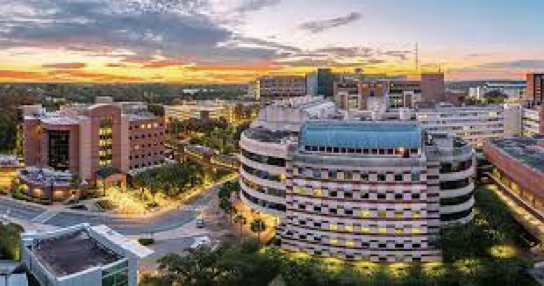
With campuses in Gainesville and Jacksonville, the UF and Shands Hospital (UF Health) includes six health colleges, six research institutes, two teaching hospitals, two specialty hospitals and a host of physician medical practices and outpatient services throughout north central and northeast Florida. Our mission is to promote health through outstanding and high-quality patient care, innovative and rigorous education in the health professions and biomedical sciences, and high-impact research across the spectrum of basic, translational and clinical investigation.

Nearly 900 expert UF College of Medicine and community physicians along with more than 8,000 skilled Shands nursing and support staff provide comprehensive high quality patient care, from primary care and family medicine to subspecialty tertiary and quaternary services for patients with highly complex medical conditions. The faculty from the UF College of Medicine includes nationally and internationally recognized physicians whose expertise is supported by intensive research activities. Shands’ affiliation with the UF Health Science Center (HSC) allows patients to benefit from the latest medical knowledge and technology.

FThe UF Department of Urology offers advanced care in all aspects of both pediatric and adult urology and is the premiere academic urology program in the state of Florida and a leading center in the Southeast.

The HSC is the country’s only academic health center with six health-related colleges located on a single, contiguous campus. The HSC is also a world leader in interdisciplinary research, generating 52% of UF’s total research awards.

Our vision as a preeminent academic health center is to optimize our collective expertise to improve patient care, education, discovery and the health of the community. Our success is predicated on research-based, multidisciplinary, cross-college programs. The colleges teach the full continuum of higher education from undergraduates to professional students to advanced post-doctoral students.


university florida

Page 26 of 26
  • 17
  • 18
  • 19
  • 20
  • 21
  • 22
  • 23
  • 24
  • ...
  • 26
  • News
  • Terms of Use
  • Privacy Policy
  • Disclaimer
  • Contact Us

© 1983-2026 Endourological Society.
All rights reserved.

STAY UP-TO-DATE

Sign up to receive updates from the Endourological Society

FOLLOW US

SUBSOCIETIES

Society of Urologic Robotic Surgeons logo
Focal Therapy Society logo
Engineering and Urology Society Logo

Login to view content

  • Register for an account
  • I forgot my password

Sign in with your social identity

  Sign in with Facebook

Login to view content

  • Register for an account
  • I forgot my password

Sign in with your social identity

  Sign in with Facebook